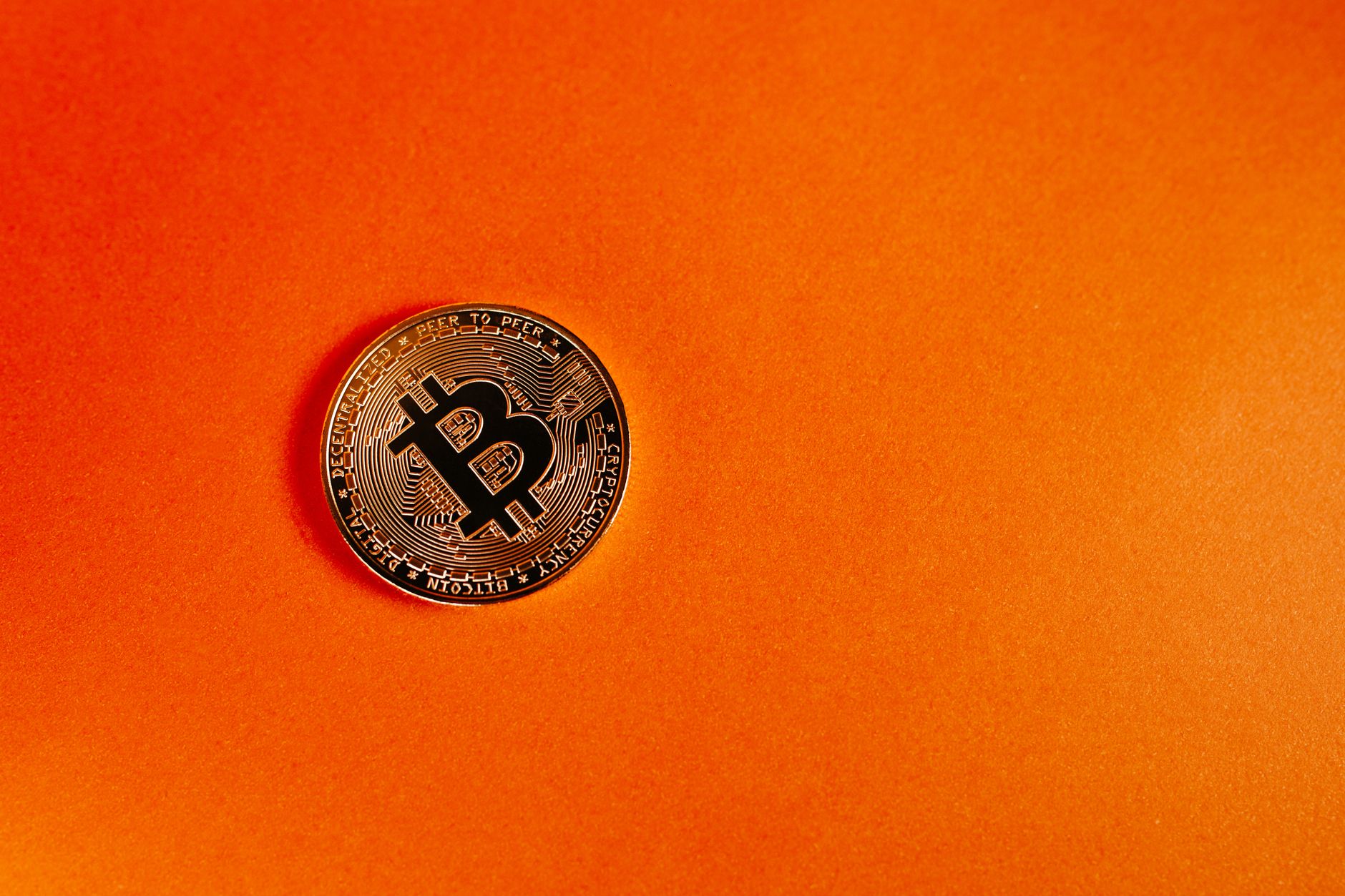
From Odds to Ownership: Understanding the Blockchain Backbone of Decentralized Betting
The very essence of decentralized betting, and what sets it apart from traditional platforms, lies in its reliance on blockchain technology. This foundational shift means that instead of a central authority controlling funds, odds, and payouts, these processes are managed by a distributed, immutable ledger. Every bet placed, every odd calculated, and every payout executed is recorded on the blockchain, creating an unparalleled level of transparency and auditability. This eliminates the need for trust in a third party, as the rules of the game are enforced by smart contracts – self-executing agreements whose terms are directly written into code. Consequently, users can verify the fairness of odds and the integrity of payouts independently, fostering a truly trustless environment.
Delving deeper, the blockchain's role extends beyond mere record-keeping. It underpins the entire operational framework of decentralized betting. For instance,
- Cryptocurrency integration: Bets are typically placed using cryptocurrencies, which are inherently designed for blockchain transactions, ensuring fast and secure transfers.
- Smart Contract Automation: These contracts automatically settle bets based on verifiable external data (oracles), removing human intervention and potential manipulation.
- Decentralized Governance: Many platforms empower their communities to vote on crucial decisions, such as platform fees or new game offerings, further cementing the decentralized ethos.
Decentralized betting offers a revolutionary approach to wagering, leveraging blockchain technology to ensure transparency and fairness. This innovative system eliminates the need for traditional intermediaries, allowing users to place bets directly on a peer-to-peer network. To learn more about decentralized betting, you can explore platforms that utilize smart contracts to automate payouts and enforce betting rules, creating a secure and trustless environment for all participants.
Placing Your Trust (and Bets) on Code: Practicalities and FAQs of Decentralized Wagering
Venturing into decentralized wagering requires a foundational understanding of its practicalities. Unlike traditional online betting, where you rely on a central authority to hold your funds and honor payouts, decentralized platforms leverage smart contracts on a blockchain. This means your bets are executed and settled automatically, transparently, and immutably. You're entrusting code, not a company, with your wager. Key practicalities include managing your own cryptocurrency wallet (e.g., MetaMask), understanding gas fees associated with transactions, and familiarizing yourself with the specific dApp's interface. While this offers unprecedented security and transparency, it also places the onus of security squarely on the user. Losing your private keys, for instance, means losing access to your funds – there's no customer support to recover them.
Many frequently asked questions revolve around the perceived complexities and risks of this new paradigm.
- Is it legal? The legality of decentralized wagering varies significantly by jurisdiction, often mirroring the legal status of cryptocurrency itself. Always research local regulations before participating.
- How do I fund my account? You'll typically need to acquire cryptocurrency (like Ethereum or Solana) from an exchange and transfer it to your personal wallet, which then connects to the dApp.
- What about security? While smart contracts are auditable and theoretically unhackable, vulnerabilities can exist in their code. It's crucial to choose platforms with a strong track record and independent security audits.
- What if the blockchain is congested? Network congestion can lead to higher gas fees and slower transaction times, impacting the immediacy of your bets.