Exploring the Benefits of Wearable Tech: Is It Worth Your Investment?
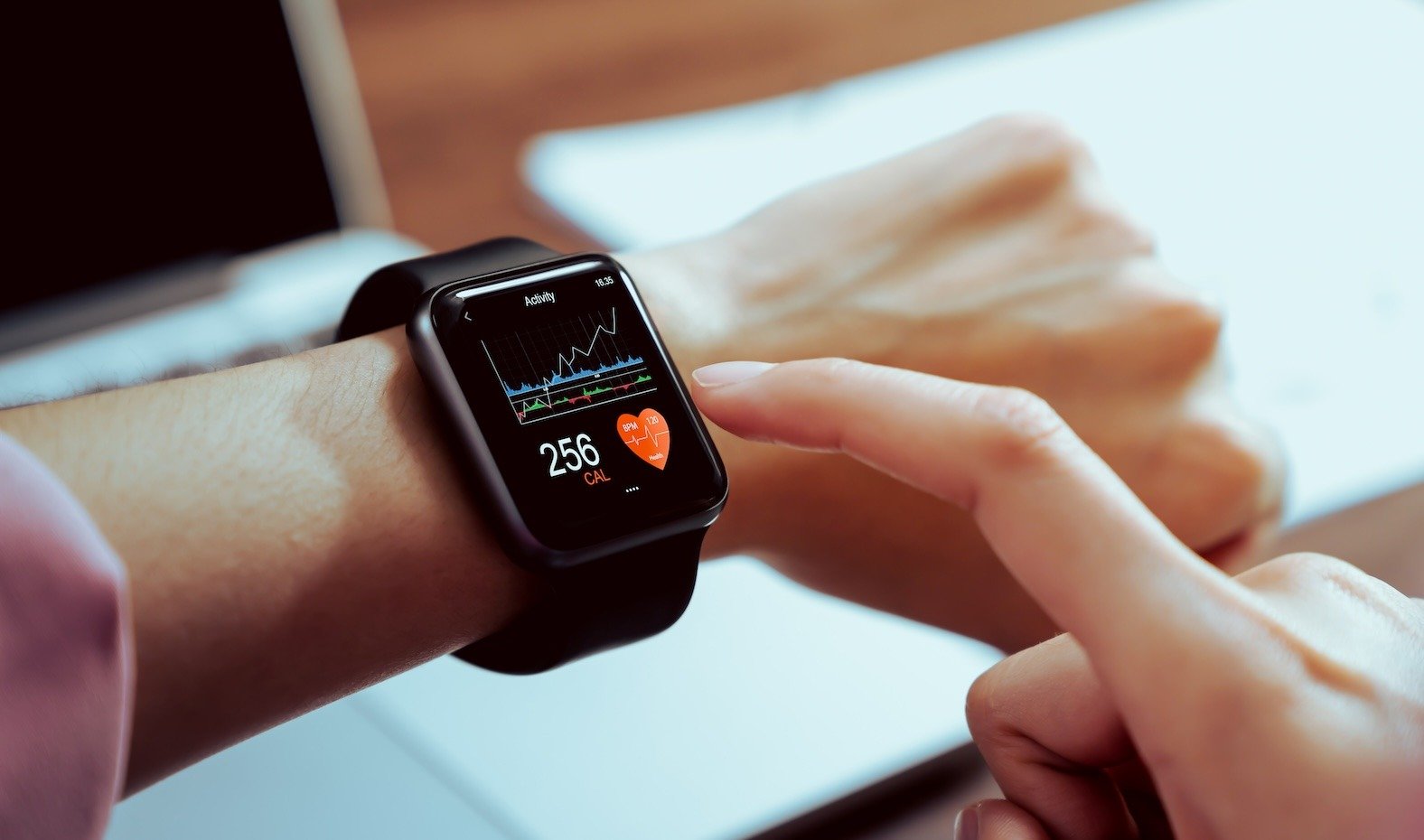
As technology continues to evolve, wearable tech has emerged as a transformative force in our daily lives. Devices like smartwatches, fitness trackers, and augmented reality glasses promise to enhance our health, productivity, and connectivity. One of the primary benefits of investing in wearable tech is its ability to monitor vital health metrics in real-time, enabling users to maintain better control over their wellness. According to studies, individuals using wearable technology often experience increased motivation to stay active and healthier lifestyle choices. Not only do these gadgets track your steps, heart rate, and sleep patterns, but they can also provide personalized insights and alerts that encourage proactive health management.
Moreover, the integration of wearable tech into everyday routines can lead to improved time management and efficiency. For instance, notifications from your smartwatch can help you stay focused and minimize distractions by allowing you to check messages and calendar updates without pulling out your phone. This can be especially beneficial for busy professionals or students who are constantly on the go. However, before making a purchase, it's essential to consider factors such as compatibility, battery life, and specific features that cater to your needs. Ultimately, the question of whether wearable tech is worth your investment hinges on how well these devices align with your lifestyle and personal goals.
Counter-Strike is a highly competitive first-person shooter game that has garnered a massive following since its inception. Players are divided into teams, typically Terrorists and Counter-Terrorists, and must complete objectives such as bomb defusal or hostage rescue. For players looking for the perfect gaming-related item this holiday season, check out these Top 10 Tech Gifts for Women that can enhance their gaming experience.
Wearable Tech vs. Traditional Accessories: What Should You Choose?
When it comes to choosing between wearable tech and traditional accessories, the decision often hinges on lifestyle, functionality, and personal preference. Wearable tech, such as smartwatches and fitness trackers, offers a range of features that appeal to tech-savvy users. These devices provide real-time health monitoring, notifications, and even GPS tracking, making them ideal for anyone interested in enhancing their productivity or maintaining an active lifestyle. Traditional accessories, on the other hand, such as watches, jewelry, and handbags, focus on aesthetics and personal style, allowing individuals to express their creativity and preferences through fashion. Thus, the choice often centers around whether one values technological integration or timeless style.
It's also important to consider user experience and longevity when selecting between wearable tech and traditional accessories. While high-end wearable tech can carry a hefty price tag, traditional pieces often retain their value and can even appreciate over time if they are from sought-after brands. Moreover, many users find that the battery life and software updates of wearable tech can be limiting, making them less appealing for long-term use. Ultimately, understanding your specific needs and how each category fits into your daily routine will guide you in making the most suitable choice for your lifestyle.
Are Wearable Devices Just a Fad? A Deep Dive into Their Longevity and Impact
In recent years, wearable devices have surged in popularity, capturing the attention of tech enthusiasts and casual users alike. From fitness trackers that monitor physical activity to smartwatches that sync seamlessly with smartphones, these gadgets promise to enhance our daily lives. However, the question arises: are they just a fad? To understand their longevity, it's essential to consider the technological advancements and societal shifts that have fueled their growth. According to a recent study, wearable technology is projected to reach a market value of $70 billion by 2027, indicating a significant and lasting impact beyond mere trends.
Moreover, the impact of wearable devices extends beyond fitness and convenience. They have revolutionized healthcare by enabling remote patient monitoring and providing real-time data to healthcare providers, significantly improving patient outcomes. As more individuals embrace a health-centric lifestyle, the integration of smart wearables into daily routines seems poised to endure. While trends may ebb and flow, the practicality and advantages of these devices suggest that their relevance will persist. Ultimately, it appears that wearable technology is not just a passing trend but a transformative force within both personal and professional realms.