The Rise of USB-C: Why It's Replacing All Your Tech Cords
The rise of USB-C represents a significant shift in the way we connect and power our devices. Initially introduced in 2014, this versatile connector is quickly becoming the universal standard for charging and data transfer across various devices, including laptops, smartphones, tablets, and peripherals. Its reversible design not only enhances usability but also allows for faster data transfer rates and improved power delivery capabilities, making it a more efficient option compared to traditional connectors. Consequently, many tech manufacturers are opting to phase out older connections in favor of USB-C, promoting a more streamlined experience for users.
Moreover, the adoption of USB-C signifies a move towards sustainability in the tech industry. With fewer types of cords and connectors needed, consumers can reduce electronic waste significantly. Additionally, many new products are being designed to be compatible with USB-C, which means that one cable can serve multiple devices. This trend is not only beneficial for the environment but also appeals to consumers who appreciate the convenience of having a single charging solution for all their tech. As the USB-C ecosystem continues to grow, its influence on the future of technology and consumer choices becomes even more pronounced.
Counter-Strike is a popular multiplayer first-person shooter game that pits teams of terrorists against counter-terrorists in various objective-based scenarios. Players can engage in intense tactical gameplay, utilizing strategy and teamwork to defeat the opposing team. For gamers looking to enhance their experience, finding the Top 10 macbook docks can greatly improve their setup and performance.
USB-C vs. Other Connectors: Which One Should You Choose?
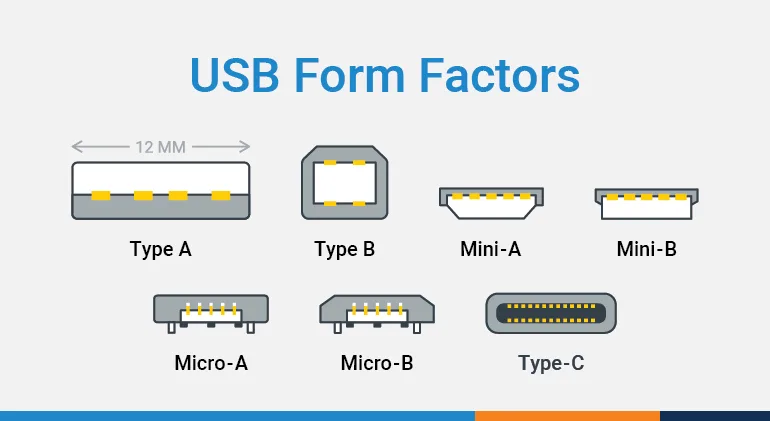
In the ever-evolving world of technology, USB-C has emerged as a frontrunner among various connectors, offering unparalleled versatility and efficiency. Unlike traditional connectors such as USB-A or micro USB, USB-C boasts a reversible design, allowing users to plug in devices without worrying about orientation. This feature, combined with its ability to support high-speed data transfer and rapid charging capabilities, makes it a superior choice for modern gadgets. Moreover, USB-C is increasingly becoming the standard connector for a wide range of devices, including smartphones, laptops, and tablets.
However, when choosing a connector, it's essential to consider your specific needs and compatibility with existing devices. For instance, USB-A is still widely used for many peripherals and older devices, while Lightning connectors remain prevalent in Apple's ecosystem. If you frequently transfer larger files or require fast charging, investing in a USB-C compatible device may be beneficial. Ultimately, understanding the advantages and limitations of each connector type will help you make an informed decision tailored to your tech lifestyle.
How USB-C is Revolutionizing Device Connectivity in Everyday Life
The advent of USB-C has ushered in a new era of device connectivity, transforming the way we interact with our technology on a daily basis. Unlike its predecessors, USB-C boasts a reversible design and enhanced data transfer rates, making it incredibly user-friendly. With the ability to transmit data, power, and even video through a single cable, it simplifies the clutter of wires that typically accompany our devices. As more manufacturers adopt this universal standard, we are beginning to see the convenience of a single charging solution that supports a wide range of gadgets, from smartphones to laptops, ultimately streamlining our tech ecosystem.
Moreover, the impact of USB-C goes beyond just convenience; it is promising to enhance the functionality and interconnectivity of our devices. For instance, with the capability of USB-C to deliver up to 100 watts of power, users can charge their laptops and other high-demand devices swiftly, minimizing downtime. Furthermore, the integration of USB-C in various devices supports a streamlined user experience across different platforms, enabling seamless data transfer and device communication. As we move forward, the widespread adoption of USB-C is set to revolutionize not just our everyday tech interactions, but also pave the way for innovations in device design and functionality.