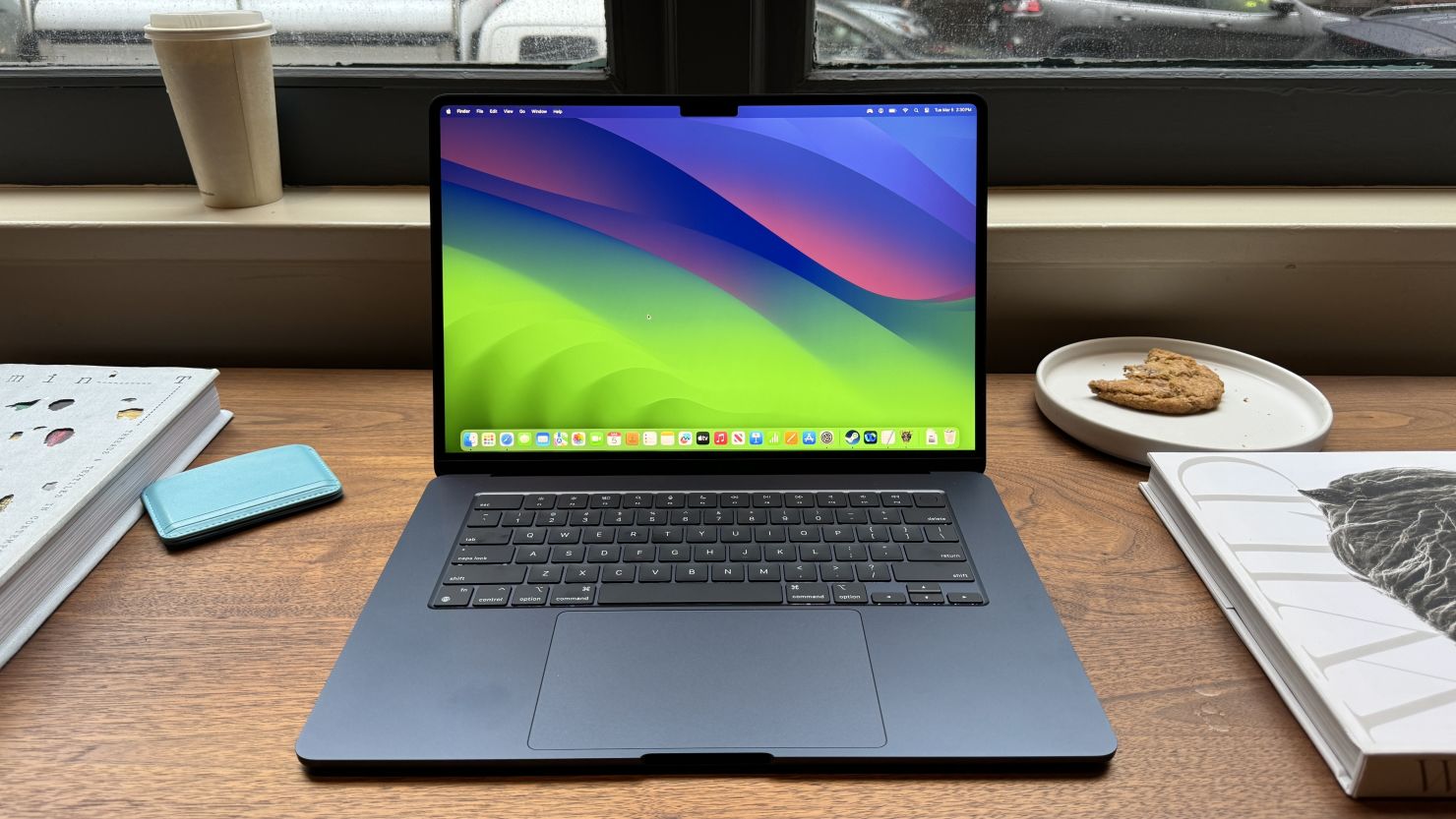
5 Common MacBook Myths: Debunking What You Thought You Knew
When it comes to owning a MacBook, there are many myths that circulate among users, creating misconceptions that can affect their experience and overall satisfaction. One of the most common myths is that MacBooks are impervious to viruses and malware. While it’s true that macOS is less targeted by malicious software than Windows, it's not immune. Users should still practice good security habits, such as using antivirus software and avoiding suspicious downloads.
Another prevalent myth is that MacBooks are only for creative professionals, which drives away potential users who might benefit from their capabilities. In reality, MacBooks are versatile devices that cater to a wide range of users, from students to business professionals. They provide excellent performance for everyday tasks and are great for productivity applications. Debunking these myths helps new users understand the broader application of MacBooks, ensuring they make informed decisions when choosing a laptop.
Counter-Strike is a popular first-person shooter game that pits terrorist and counter-terrorist teams against each other in various mission scenarios. With its strategic gameplay, players must utilize teamwork and skills to outsmart their opponents. For those looking to gear up for gaming on the go, check out the Top 10 Travel Accessories for MacBook to enhance your mobile gaming experience.
Do MacBooks Really Last Longer Than Windows Laptops? The Truth Revealed
When comparing MacBooks and Windows laptops, one of the most frequently debated topics is longevity. Many users claim that MacBooks outlast their Windows counterparts due to their robust build quality and optimized operating system. Apple is known for its meticulous engineering, which contributes to the overall durability of its devices. Furthermore, while the average lifespan of a Windows laptop often hovers around 3 to 5 years, a well-maintained MacBook can easily last upwards of 7 years, especially models that have been designed with longevity in mind, such as the MacBook Pro.
However, it’s important to note that the longevity of any device is significantly influenced by usage patterns and maintenance. Regular software updates, proper care, and mindful usage can greatly extend the life of both MacBooks and Windows laptops. Additionally, some users report being able to replace components in their Windows devices, such as RAM and hard drives, allowing for potential upgrades that can enhance performance and lifespan. Ultimately, while MacBooks may offer a reputation for lasting longer, the truth is that individual care and usage are key factors that determine how long either type of laptop will truly last.
Is It Worth Upgrading Your MacBook? Separating Fact from Fiction
When considering whether upgrading your MacBook is worth it, it's essential to separate the facts from the fiction. One common myth is that older MacBooks are obsolete, which is simply not true. Many models can still perform adequately for everyday tasks like browsing the internet and using productivity software. Upgrading can involve various aspects, such as increasing RAM, switching to a solid-state drive (SSD), or even updating the operating system. Each of these upgrades can breathe new life into your device, enhancing performance and extending its lifespan.
However, not all upgrades are created equal, and understanding their value is crucial. For example, upgrading your MacBook to an SSD can dramatically improve boot times and application launches, making it one of the most impactful changes. Conversely, simply adding more RAM may not yield noticeable improvements for basic users. Ultimately, whether the investment is worthwhile depends on your specific needs, usage habits, and the age of your device. If your MacBook is several generations old and struggling with modern applications, it may be time to reconsider the upgrade or even invest in a new device altogether.