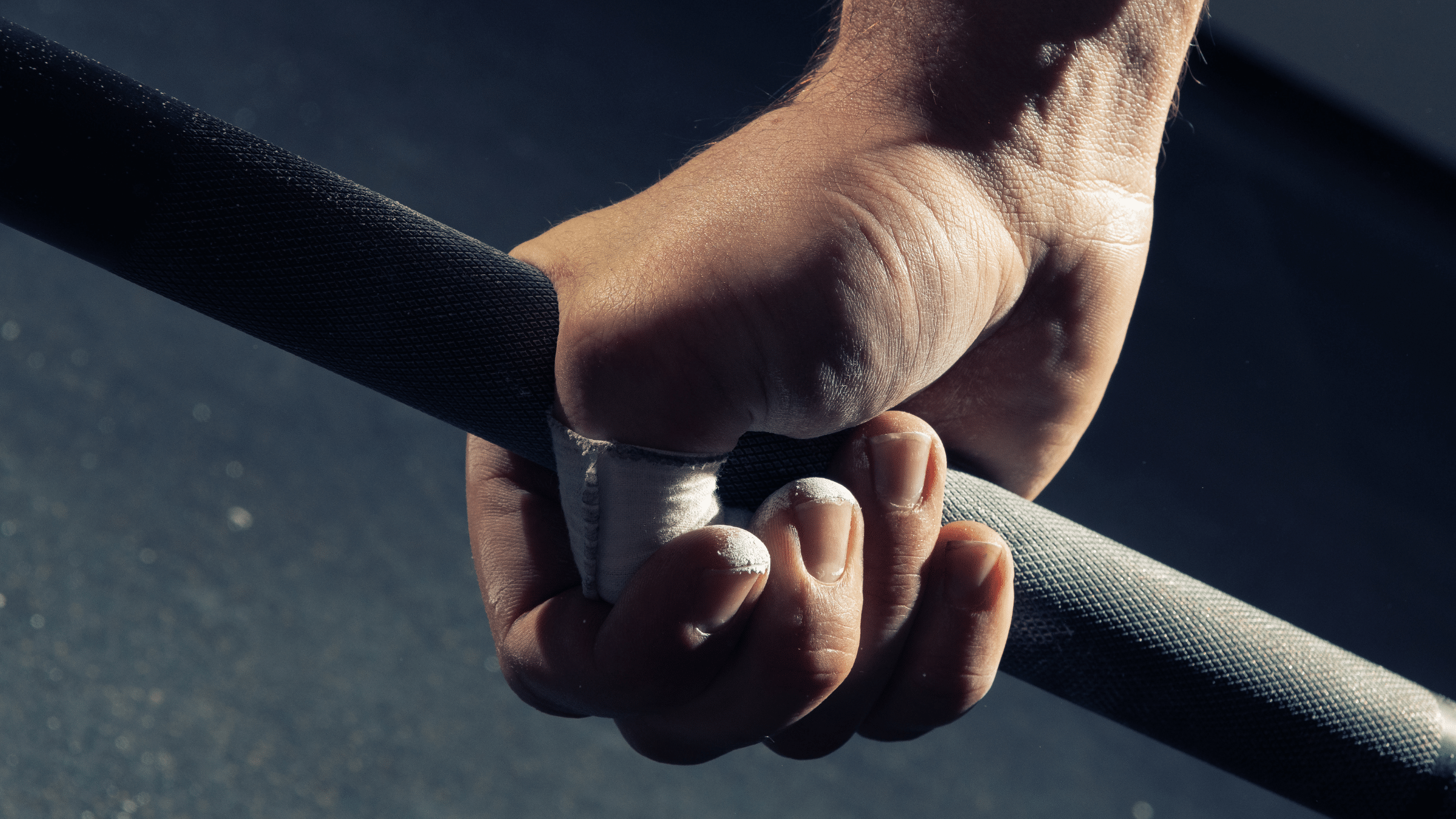
Choosing the Perfect Grip: How to Maximize Your Performance
Choosing the perfect grip is crucial for maximizing your performance in any physical activity, be it weightlifting, rock climbing, or even racquet sports. The right grip can significantly affect your control, stability, and power output. Factors to consider when selecting a grip include your hand size, the type of activity, and personal comfort. For instance, a tight grip may be beneficial in strength sports, providing better control, while a more relaxed grip could enhance endurance in activities like climbing. Understanding the nuances of different grip styles—such as the overhand grip, underhand grip, and neutral grip—is essential for optimizing your performance.
Moreover, it’s important to recognize that grip strength plays a vital role in your overall athletic performance. Incorporating specific exercises to enhance your grip strength can lead to improvements across various sports. For example, exercises like dead hangs, farmer's walks, and using grip trainers can effectively develop your grip. Additionally, pay attention to your grip during training sessions; adjusting your grip width and style not only contributes to muscle engagement but also helps prevent injuries. In conclusion, experimenting with different grips and consistently working on grip strength are key components to maximizing your performance in your chosen sport.
Counter-Strike is a popular multiplayer first-person shooter that has captivated gamers since its release. Players compete in teams, taking on the roles of terrorists and counter-terrorists in various game modes. For those looking to enhance their gaming experience on mobile, check out the Top 10 One Hand Grips for iPhone which can improve aim and control. With its strategic gameplay and community-driven updates, Counter-Strike continues to thrive as a staple in the esports scene.
The Science Behind Grip Strength: Why It Matters in Sports
Grip strength plays a crucial role in athletic performance, impacting various sports from weightlifting to rock climbing. The science behind grip strength revolves around the physiological capabilities of the muscles in the forearm and hand. Studies have shown that a stronger grip not only reflects overall body strength but also correlates with faster sprint times and better performance in sports that require quick hand-eye coordination. This is because a strong grip allows athletes to control their equipment better, whether it's a bat, racket, or climbing holds, ultimately enhancing their ability to perform at higher levels.
Moreover, grip strength is important for injury prevention. Athletes with well-developed hand and forearm muscles are less susceptible to injuries related to overuse and trauma. In sports such as football and basketball, maintaining a strong grip can prevent slips and drops, safeguarding against game-altering mistakes. Furthermore, research indicates that grip strength can be an indicator of overall health and longevity, making it an essential aspect of athletic training programs. By focusing on improving grip strength, athletes can develop greater physical resilience, benefiting their performance and overall wellbeing.
How to Improve Your Grip Technique for Better Results
Improving your grip technique is essential for achieving better results in various sports and fitness activities. A strong grip not only enhances your performance but also helps prevent injuries. To begin with, focus on your hand positioning. It’s crucial to grip the equipment correctly, whether it’s a barbell, dumbbell, or any other tool. For instance, when lifting weights, ensure your palms are facing the right direction and your fingers are wrapped around the handle securely. Additionally, you can incorporate grip strength exercises into your routine, such as farmer's walks and wrist curls, to build endurance and strength in your hands and forearms.
Another effective strategy to enhance your grip technique is to practice various grips. Experimenting with different styles—like the overhand, underhand, and mixed grip—can help identify which method works best for your specific workouts. Remember to maintain proper form while performing exercises, as this will ensure that the grip remains effective throughout your routine. Lastly, consider using tools like grip trainers or resistance bands to isolate and strengthen those key muscles, allowing you to achieve your fitness goals more efficiently.