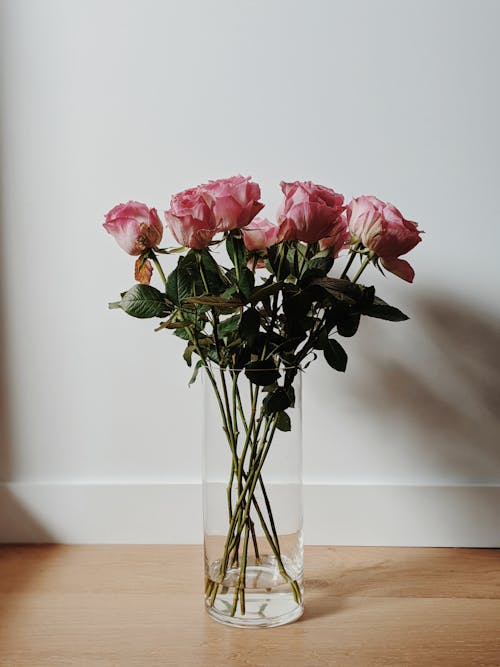
Understanding the Basics of Aesthetic Design: What Makes a Visual Symphony?
Aesthetic design is a harmonious blend of visual elements that elicit emotional responses and create engaging experiences. Understanding the basics of aesthetic design begins with recognizing the importance of balance, contrast, and unity. These principles work together to form a cohesive visual narrative. For instance, integrating a well-balanced color palette alongside contrasting textures can make a design not only appealing but also memorable. Consider the classic balance of symmetrical design, where elements are mirrored on either side, creating a sense of stability and calm.
Moreover, typography and imagery play crucial roles in establishing an effective aesthetic. Choosing the right fonts can enhance readability while also conveying the desired tone and personality of the design. Incorporating striking images can elevate the overall impact, making the content more relatable. To further explore the basics of aesthetic design, one can delve into the principles of Gestalt, which explain how we perceive groups of elements as unified wholes. By applying these foundational concepts, one can transform an ordinary layout into a visual symphony that resonates with audiences.
Counter-Strike is a highly popular first-person shooter game that emphasizes teamwork and strategic gameplay. Players join either the Terrorist or Counter-Terrorist faction and compete in various modes, with the primary objective often being to plant or defuse a bomb. The game also has a vibrant community where players can share tips and showcase their skills. For those looking to enhance their gaming setup, check out the Top 10 Minimal Desk Accessories to create an optimal environment.
How to Curate a Mood Board for Your Aesthetic Whirlwinds
Creating a mood board is an exciting journey that allows you to express your unique style and aesthetic. Begin by gathering inspiration from various sources—think magazines, social media platforms like Pinterest, or even nature. Once you have your visuals in hand, start organizing them based on themes or color schemes. This curation process is essential for ensuring that your mood board reflects your desired vibe. Consider using a physical board or a digital platform, whichever you feel more comfortable with, to arrange your images in a way that tells a cohesive story.
To enhance your mood board further, incorporate elements like textures, patterns, and quotes that resonate with your aesthetic. Typography can also play a crucial role; select fonts that echo the mood of your visuals. As you put it all together, remember to step back and evaluate if the overall composition aligns with your vision. Every piece should contribute to the harmonious feel of your board, helping you and others understand the essence of your aesthetic whirlwind. Don’t be afraid to experiment and revise until you achieve the perfect balance!
The Role of Color Theory in Crafting Your Visual Harmony
The role of color theory in crafting your visual harmony cannot be understated. By understanding the fundamentals of color relationships, designers can create compositions that are not only aesthetically pleasing but also communicate emotions and messages effectively. Color theory encompasses various concepts such as the color wheel, complementary colors, and color harmony, each of which plays a crucial part in how we perceive and interact with visual content. For instance, using complementary colors can create a striking contrast that draws attention, while analogous colors can develop a soothing and cohesive look.
Moreover, applying color theory in your projects enhances visual storytelling. Using a defined palette can evoke specific feelings; warm colors like reds and oranges can suggest energy and excitement, while cool colors like blues and greens promote calmness and tranquility. By employing the principles of color theory, designers ensure that the visual elements of their work not only align with the overall aesthetic but also resonate with the intended audience on a deeper level. This thoughtful application of color ultimately leads to a more engaging and harmonious visual experience.